Paying for a mobile recharge with a credit card may seem like an easy way to earn cashback or reward points. You complete the recharge, receive card benefits, and pay the bill later.
But it does not always work that way.
Depending on your credit card and the recharge platform, you could receive cashback, earn regular reward points, get no rewards at all, or even pay an additional convenience or utility transaction fee.
So, what actually happens when you recharge your mobile using a credit card? Let us understand it in simple terms.
The Simple Answer
You may receive cashback when:
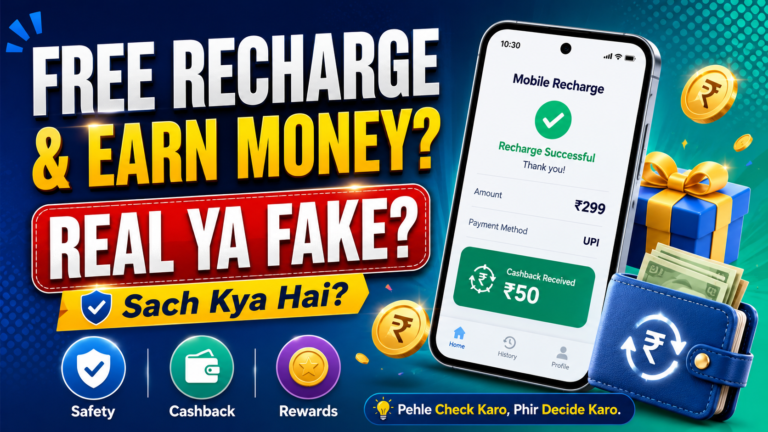
- Your credit card specifically rewards mobile recharges.
- You use the required recharge application or website.
- Your transaction meets the minimum amount.
- You use the correct coupon or promotional code.
- The offer is active and your card is eligible.
You may pay an extra charge when:
- The recharge platform adds a convenience fee.
- Your card issuer charges a utility transaction fee.
- Your total utility spending crosses the card’s monthly threshold.
- Taxes are added to an applicable fee.
There is no single rule that applies to every credit card or recharge platform. Always check the final payable amount and your card’s latest terms before confirming the transaction.
When Can You Get Cashback on a Mobile Recharge?
Some credit cards provide cashback or discounts specifically on mobile recharges, utility payments, or selected online transactions.
For example, certain cards provide higher cashback only when the recharge is completed through a particular payment application. The Axis Bank ACE Credit Card currently advertises cashback on eligible mobile recharges and utility payments made through Google Pay, subject to its applicable terms.
Similarly, the Axis Bank Neo Credit Card advertises a discount on eligible mobile recharges made through Paytm. However, the offer includes conditions such as a minimum transaction value, monthly benefit limit, and coupon-code requirement.
This means simply using a credit card does not automatically qualify you for cashback. The recharge channel and offer conditions can be equally important.
Why You May Not Receive Cashback
A transaction can be completed successfully without earning any cashback.
Here are some common reasons:
1. Mobile Recharges Are Excluded
Some credit cards exclude utility transactions from their cashback programs.
For instance, the official SBI Cashback Card page lists utilities among the spending categories that are not eligible for cashback.
Even though a recharge is completed online, it may still be classified as a telecom or utility transaction instead of a regular online purchase.
2. You Used the Wrong Platform
A card may offer cashback only through a selected app or website.
For example, an offer available through Google Pay may not apply when the same recharge is completed through the telecom operator’s website or another payment app.
3. The Offer Has a Minimum Amount
Some recharge offers require a minimum transaction amount. A recharge below that value may not qualify.
4. The Monthly Cashback Limit Is Reached
Credit card cashback programs usually have monthly or statement-cycle limits. After reaching the limit, additional eligible transactions may earn reduced rewards or no cashback.
5. The Merchant Category Is Different
Credit card issuers use Merchant Category Codes, commonly known as MCCs, to identify the type of transaction.
Your card issuer generally decides whether a transaction qualifies for cashback based on the merchant category submitted during payment—not only on the name of the app you used.
6. Cashback Is Credited Later
An instant discount reduces the amount during payment, while card cashback may be credited later in the statement cycle.
Do not assume that cashback has been missed immediately after completing the recharge. Check the offer’s expected credit timeline.
Can the Recharge Platform Charge a Convenience Fee?
Yes, some recharge platforms may add a convenience or processing fee when you select a credit card as the payment method.
This charge is normally separate from the recharge plan amount.
For example:
- Recharge amount: ₹299
- Convenience fee: ₹5
- Applicable tax: ₹0.90
- Final payment: ₹304.90
The actual charge can differ by platform, payment method, transaction amount, and current policy.
Before entering your OTP, check the final payment screen carefully. The amount charged to your card may be higher than the recharge value displayed initially.
Can the Credit Card Issuer Add an Extra Fee?
Some card issuers apply a utility transaction fee after the cardholder’s total utility spending crosses a specified limit during a statement cycle.
For example, Axis Bank’s current credit-card terms state that a 1% fee may apply when cumulative utility payments reach the specified ₹25,000 threshold in a statement cycle. Applicable taxes may also be added.
HDFC Bank has also published that a 1% charge may apply to consumer credit-card utility spending above ₹50,000 per month, according to the applicable terms.
These limits and fees can vary between issuers and card types. A small personal mobile recharge may not cross such thresholds, but customers making several utility or family payments on one card should keep track of their total monthly spending.
Cashback Versus Extra Charge: A Simple Calculation
Suppose you make a ₹500 recharge and your card offers 1% cashback.
Your expected cashback would be:
₹500 × 1% = ₹5
Now suppose the recharge platform adds a ₹7 convenience fee.
Your total cost becomes:
₹500 + ₹7 = ₹507
After receiving ₹5 cashback, your effective cost is:
₹507 − ₹5 = ₹502
In this example, you technically received cashback but still paid ₹2 more than the original recharge amount.
That is why you should compare the final cost instead of looking only at the advertised cashback percentage.
What Should You Check Before Paying?
Take a few seconds to verify these details:
Check the Final Payable Amount
Look for convenience fees, processing fees, platform charges, and applicable taxes.
Read Your Card’s Reward Terms
Confirm whether mobile recharge, telecom, or utility transactions are eligible for rewards.
Check the Required Payment Platform
Find out whether the offer works only through a particular recharge or payment application.
Verify the Offer Period
Cashback promotions are usually available for a limited period and may be modified or withdrawn.
Check the Cashback Limit
A card may advertise a high percentage while limiting the actual cashback to a small monthly amount.
Understand the Benefit Type
Check whether you are receiving:
- Instant discount
- Credit-card cashback
- Reward points
- Platform coins
- Coupon or scratch-card reward
These benefits are not always equal in value or usability.
Should You Use a Credit Card for Mobile Recharge?
Using a credit card for mobile recharge can be useful when:
- There is no additional payment fee.
- Your card provides genuine recharge benefits.
- You can repay the complete credit-card bill on time.
- The transaction helps you meet a reasonable spending milestone.
- You regularly review your card statement.
It may not be worthwhile when:
- The convenience fee is higher than the reward.
- Recharge transactions are excluded from cashback.
- You are spending more only to unlock an offer.
- You may carry the card balance and pay interest.
- A free payment method is available.
A ₹5 cashback is not valuable when it leads to a higher platform charge or an unpaid credit-card bill.
Avoid These Common Mistakes
Believing Cashback Is Guaranteed
Words such as “up to 10% cashback” do not mean every customer will receive 10%. The final benefit may depend on eligibility, transaction amount, maximum limit, card type, and promotional terms.
Ignoring the Final Payment Screen
Always review the total amount before entering your OTP.
Recharging Only to Reach a Spending Target
Do not purchase an unnecessary plan simply to qualify for rewards or annual-fee waivers.
Paying Only the Minimum Amount Due
A mobile recharge may be small, but leaving credit-card balances unpaid can result in interest and other applicable charges.
Sharing Your OTP or Card Details
Never share your OTP, CVV, PIN, complete card number, or banking password with anyone claiming to provide cashback or reverse a recharge.
Frequently Asked Questions
Does every credit card give cashback on mobile recharge?
No. Some cards provide cashback, some provide regular reward points, and others exclude mobile recharge or utility transactions completely.
Will I always pay a convenience fee?
No. The fee depends on the recharge platform, payment method, card issuer, and current transaction policy.
Can I earn cashback and still pay an extra charge?
Yes. You may receive cashback from the card issuer while paying a separate convenience fee to the recharge platform.
Is an instant discount the same as cashback?
No. An instant discount reduces the payment amount immediately. Cashback is usually credited after the transaction according to the issuer’s timeline.
How can I know whether a recharge earned cashback?
Check your card statement, rewards section, or cashback summary after the applicable processing period.
Can recharge offers change?
Yes. Cashback rates, eligibility rules, exclusions, spending limits, and fees can be revised. SBI Card, for example, announced changes to Cashback SBI Card benefits effective April 1, 2026, showing why customers should check the latest official terms rather than relying on older articles or screenshots.
Final Verdict
A credit card mobile recharge can give you cashback, but it can also attract an extra charge.
The result depends on three main things:
- Your credit card’s reward rules
- The recharge platform’s payment charges
- The specific offer’s eligibility conditions
Before paying, check the final amount, confirm whether recharge transactions qualify for rewards, and compare the expected benefit with any additional fee.
The best deal is not always the offer with the biggest cashback percentage. It is the payment option that gives you the lowest final cost without encouraging unnecessary debt.
Disclaimer: Credit-card cashback, reward points, transaction classifications, fees, taxes, thresholds, and promotional offers are subject to the latest terms of the card issuer and recharge platform. Examples in this article are for general information and should not be treated as guaranteed benefits or personalised financial advice.